
Jack Fuse Safety Call Point (SCP)
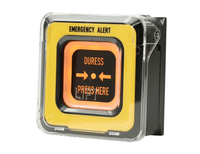
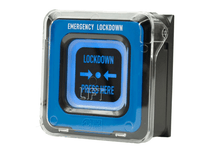
The Jack Fuse SCP Safety Call Point is a manual alarm button built for the moments an activation absolutely has to get through — duress, lockdown and assistance calls on security and access-control systems. Where a standard call point is a single switch on a single pair of wires, the SCP is engineered to be fail-safe, so a fault is far less like...
Read MoreThe Jack Fuse SCP Safety Call Point is a manual alarm button built for the moments an activation absolutely has to get through — duress, lockdown and assistance calls on security and access-control systems. Where a standard call point is a single switch on a single pair of wires, the SCP is engineered to be fail-safe, so a fault is far less likely to stop an alarm or go unnoticed.
Reliability comes from redundancy at every stage. The actuator presses four independent switches — any one of which triggers the alarm, so all four would have to fail to prevent activation — and two output relays are wired so that if one fails the other still reports the alarm. Because the SCP is continuously powered and monitored by the host system, a power failure or a cut or shorted cable raises an instant alarm rather than silently disabling the point.
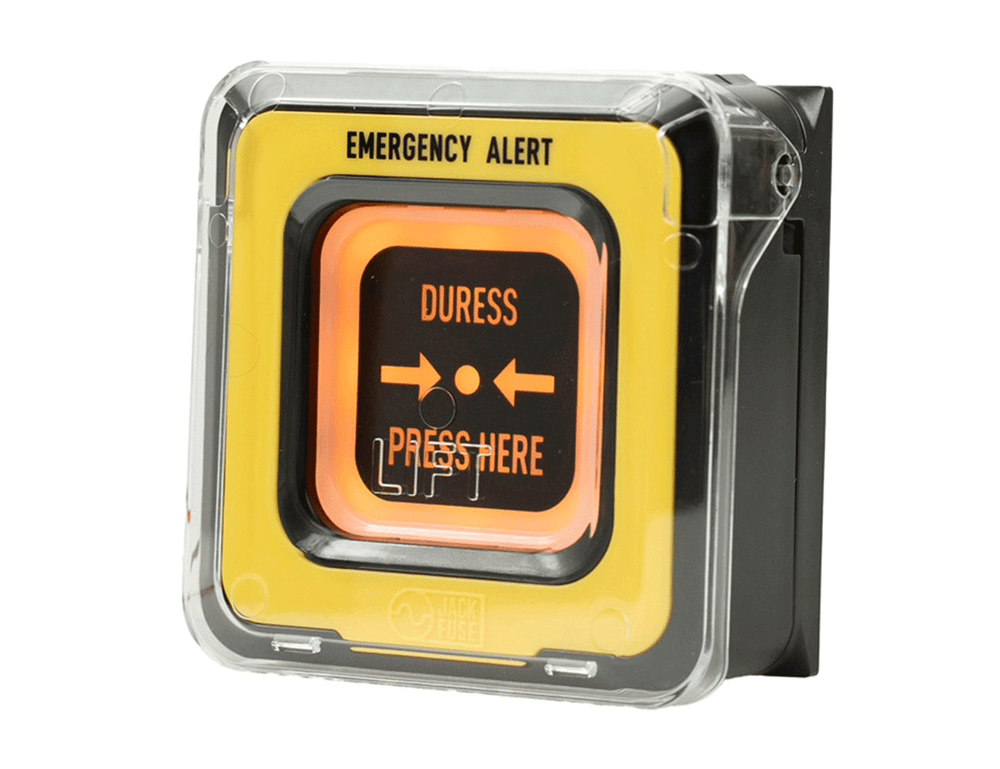
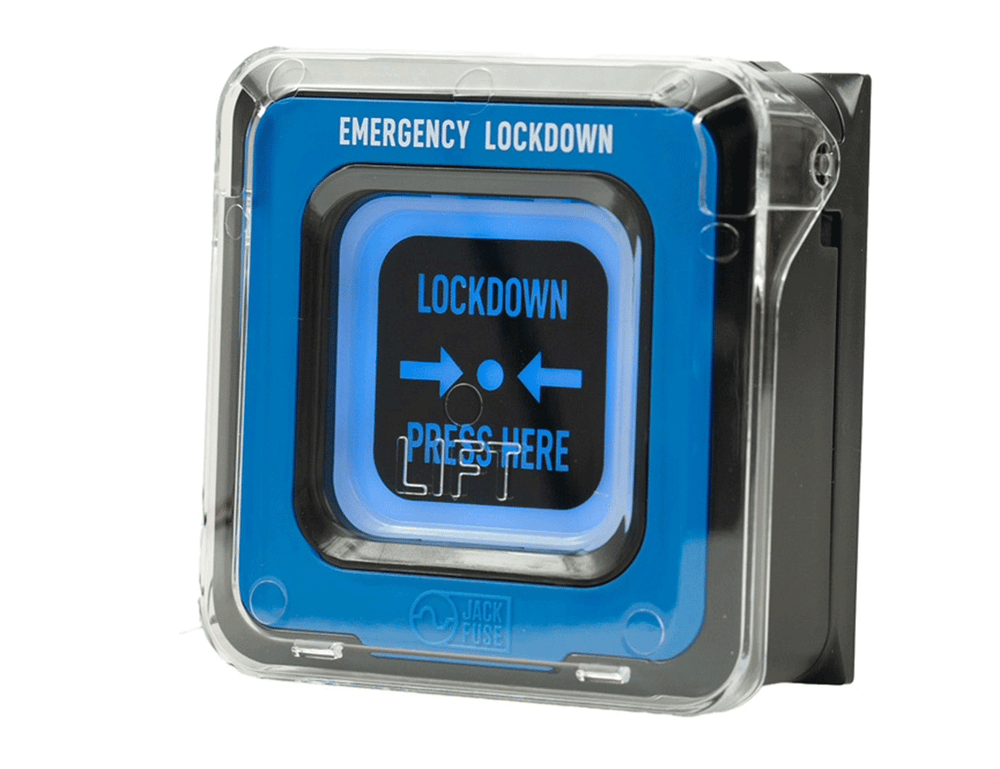
A large backlit tactile actuator helps people find and press it under pressure, turning red and sounding a local warning to confirm activation — backlight and sounder brightness and volume are adjustable, and each can be disabled independently. It wires into any security or access-control input like a traditional duress switch, with a case-and-wall tamper alarm, remote or local reset, and an auxiliary output that drives up to two Jack Fuse Lodestar indicators for local alarm status without extra programming. A lift-up activation guard helps prevent accidental presses.
Three colour-coded versions cover the common manual-alarm roles for instant recognition: Assistance (orange), Duress (yellow) and Lockdown (blue). Typical uses span interview rooms, reception areas and remote sites for duress; schools, hospitals and offices for lockdown; and amenities, laboratories and clinics for assistance requests.
The SCP shares its case, mounting, tamper switch and backlighting with the award-winning Jack Fuse Electronic Break Glass, and pairs with Jack Fuse Lodestar status indicators and the EBG surface mounting block to build a complete, consistent manual-alarm installation.
Show Less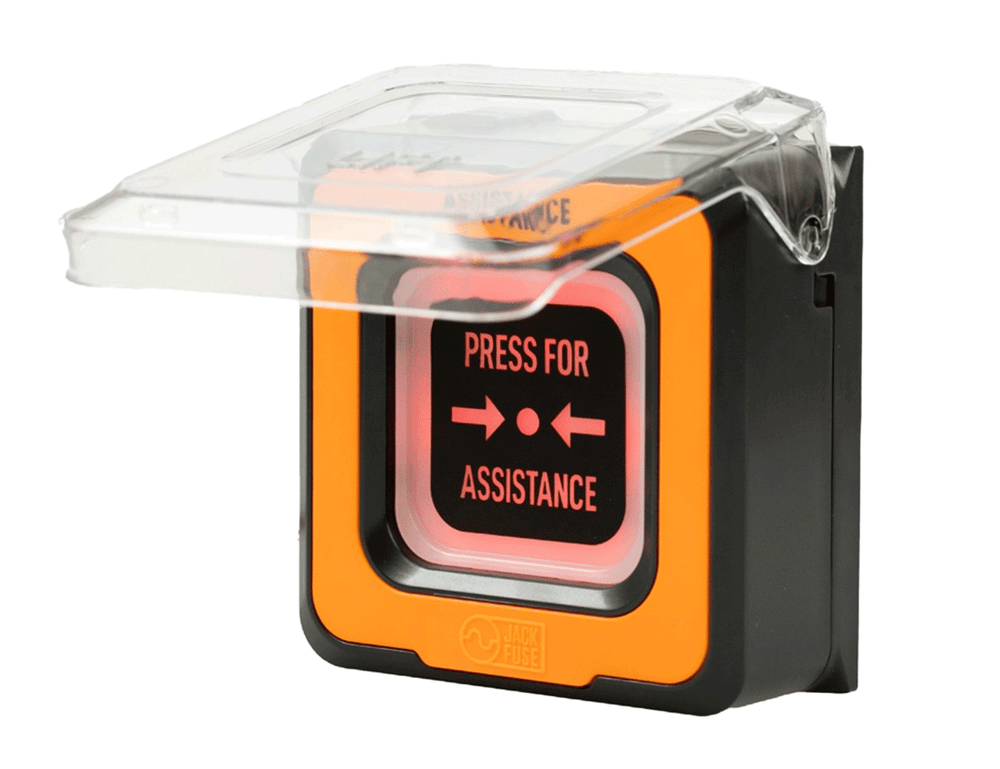
Features
- Four independent activation switches — any one triggers the alarm, and all four would have to fail to stop it
- Dual output relays add redundancy, so a single relay failure still delivers a reliable alarm
- Active monitoring raises an instant alarm on power failure or a cut or shorted cable
- Case and wall-removal tamper alarm flags interference and helps maximise uptime
- Large backlit tactile actuator turns red and sounds a local warning on activation — brightness and volume are adjustable and can be switched off independently
- Auxiliary output drives up to two Jack Fuse Lodestar indicators for local status without extra hardware
- Remote and local reset clears nuisance or remote activations quickly — even via CCTV and a system output
- Lift-up activation guard helps prevent accidental presses
Warranty & Returns
Warranty periods vary by product. Please refer to the Powerbox Warranty Policy for the applicable coverage period against manufacturing defects from date of purchase. For returns and RMA requests, please visit our RMA support page or contact our support team directly.
FAQs
Related Products

- Seven LED colours
- Adjustable sounder
- Flexible display modes

- Auto, Remote & Local Reset Options
- LED Status & Audible Alarm with Guard
- Standard Mounting & Dual Relay Output

- Quick-Connect End-of-Line Module
- Multiple Resistor Values Available with Colour Coding
- Push-In Terminals for Fast Install
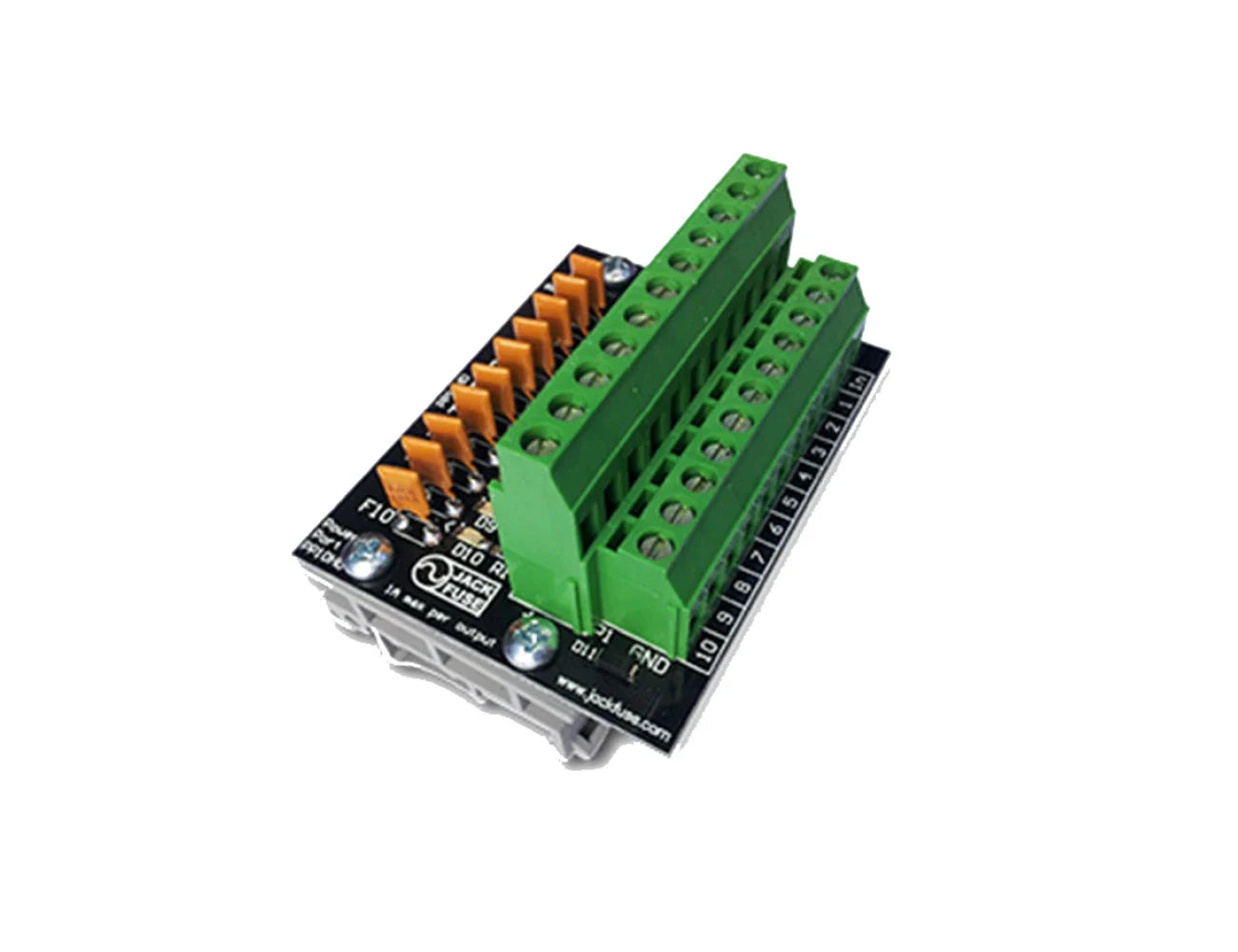
- 10x 1A Resettable PPTC Fused Outputs
- Compact DIN-Rail Mount Power Module
- LED Status Indicators for Each Output
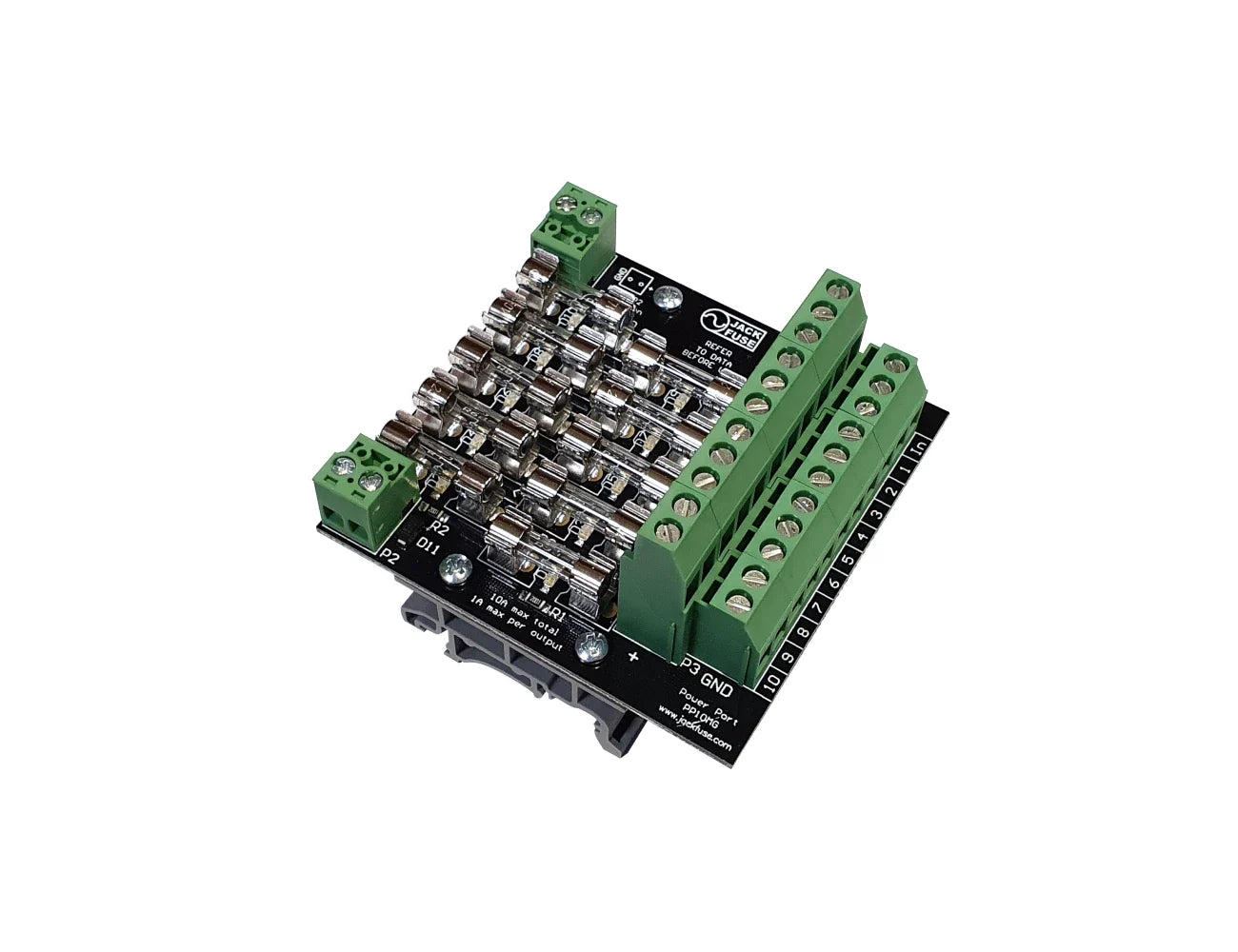
- 10x 1A Glass Fused Outputs with LEDs
- Modular DIN-Rail Mount Design
- Expandable via Edge Connectors

- 2x 4A High-Current Fused Outputs
- DIN Mount with Fire Trip Interface
- Selectable Standard / Fire Power Mode

- 5x Self-Resetting PPTC Outputs with LEDs
- Mounts to Gallagher & Inner Range Panels
- Selectable Fire/Standard Power per Output
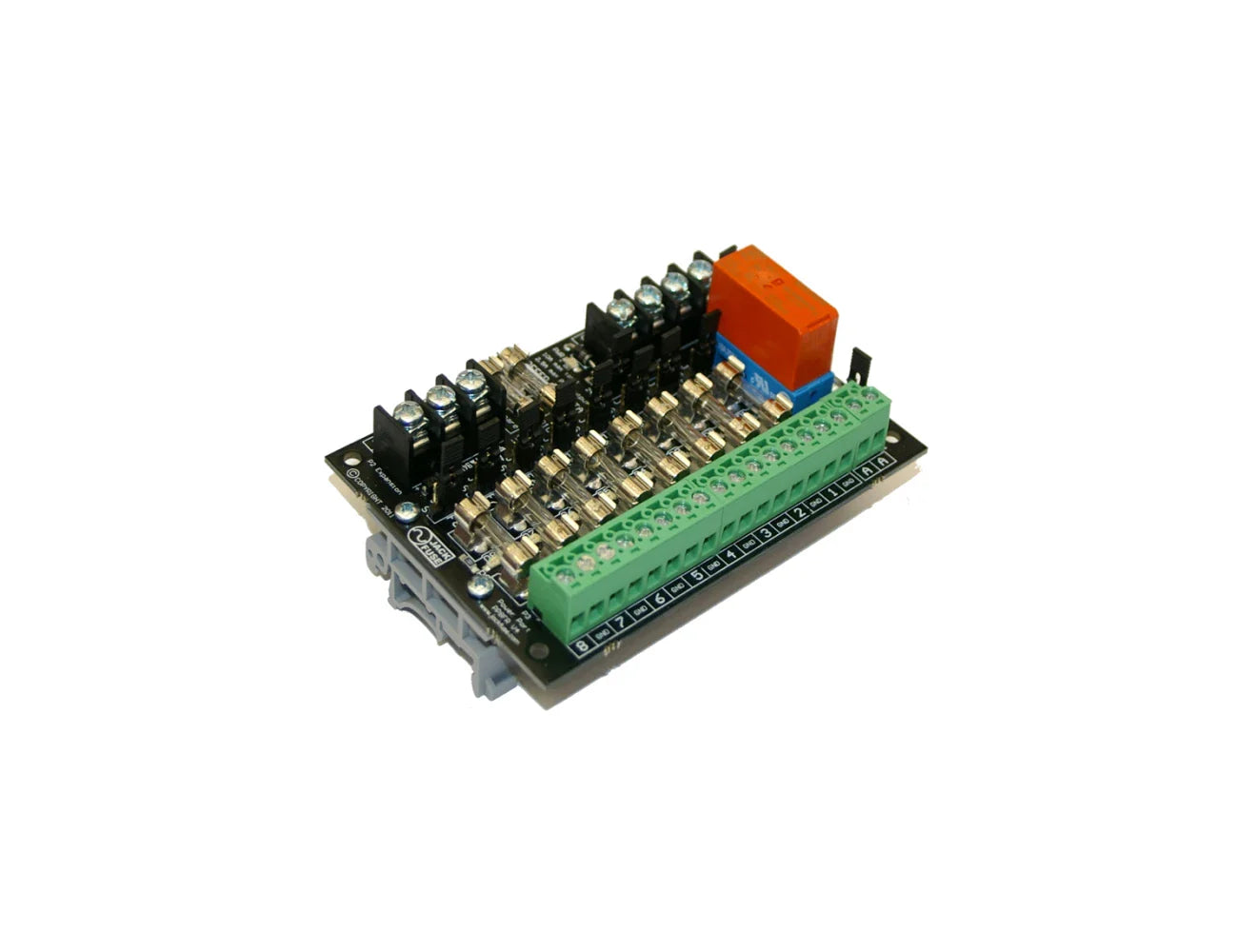
- 8x 1A Glass Fused Outputs with status LEDs
- DIN Rail Mount with Fire Trip Interface
- Field-Selectable Fire/Standard Power Outputs
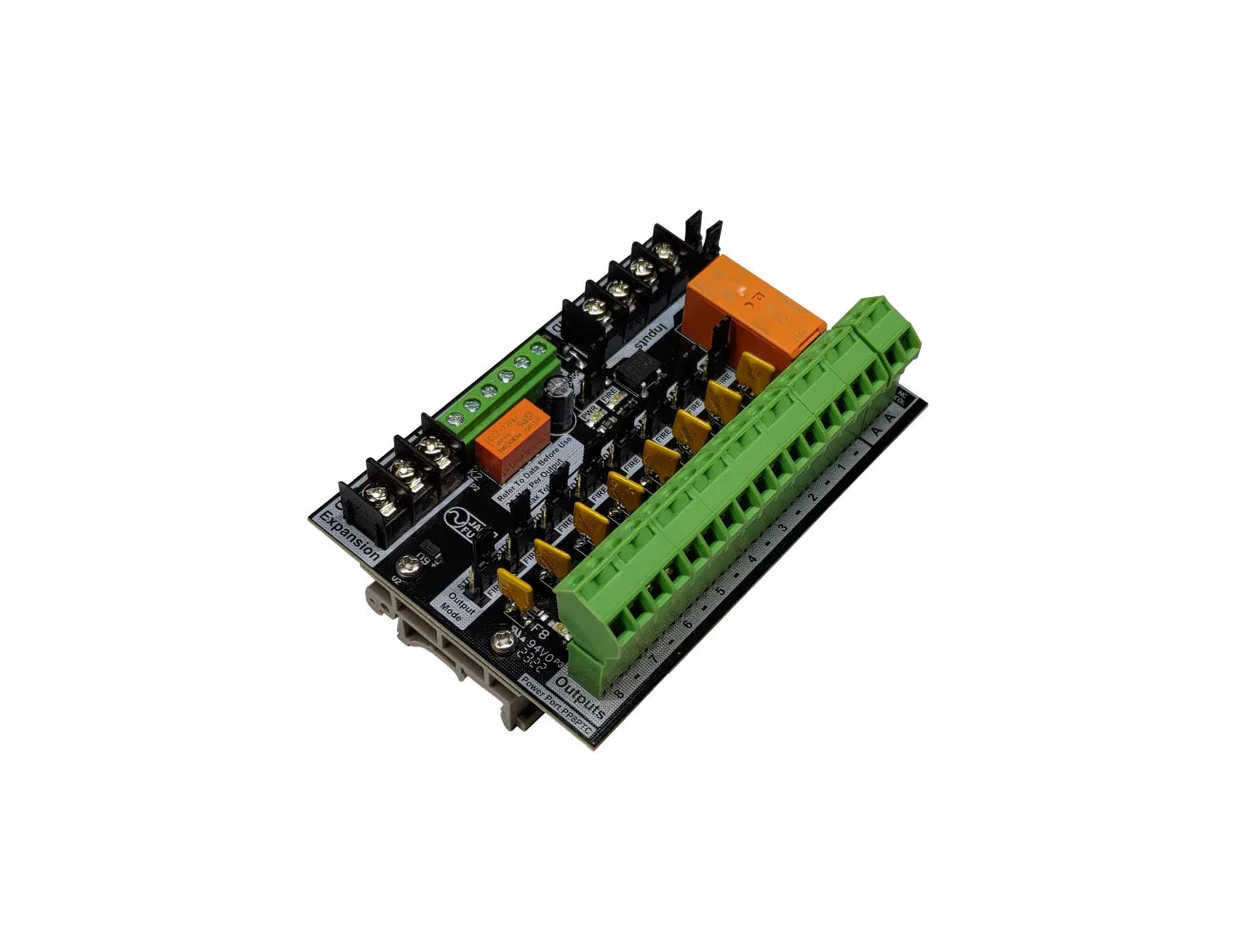
- 8x Self-Healing Fused Outputs with Status LEDs
- DIN-Rail Mount with Fire Trip Interface
- Field-Selectable Fire/Standard Power Outputs